Depression in Pakistani men: the signs families often miss
Depression in men often looks like anger, silence, exhaustion or body aches rather than sadness. The signs Pakistani families miss, why men avoid help, and how to support them.
Key points
- Depression is a common, treatable illness. In men, it often shows up as irritability, anger, withdrawal, exhaustion, body aches, overworking or substance use, not just sadness.
- Pressure to be the strong provider, stigma and "mard nahi rote" attitudes stop many Pakistani men from seeking help.
- Treatment works: talking therapies, medicine when needed, physical activity and social support.
- Any talk of death, hopelessness or "being a burden" should be taken seriously. Ask directly and get help.
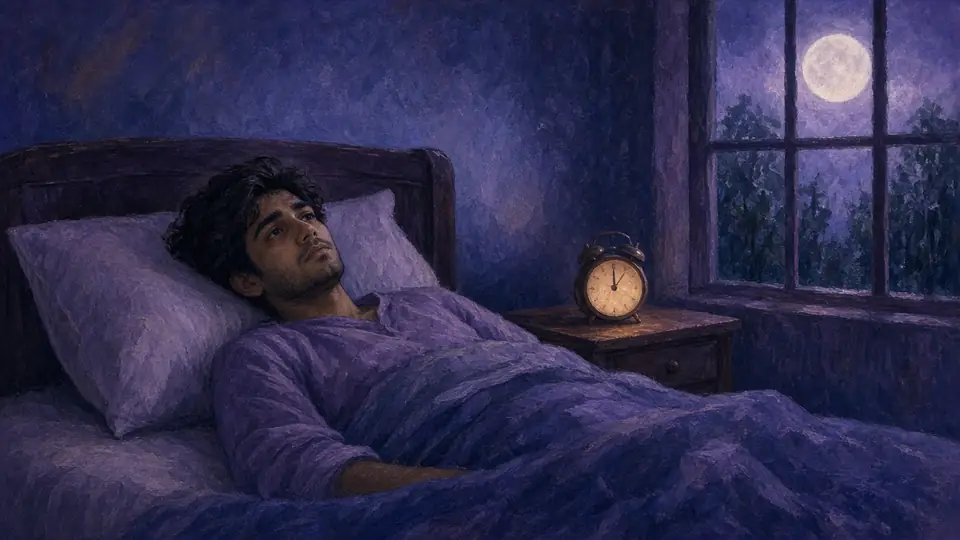
When people imagine depression, they picture someone crying or staying in bed. But many men with depression don't look sad at all. They look angry, distant, exhausted, or simply "busy". They may work longer hours, snap at their wife and children, complain of headaches and back pain, or spend nights scrolling on their phone. Families often say "bas thore stress mein hain" or "mizaj aisa hi hai".
According to the WHO, depression is one of the leading causes of disability worldwide. It affects men and women, rich and poor, religious and not. This guide explains how depression often shows up in men, why Pakistani men are especially likely to suffer in silence, and how families can help.
What is depression?
Depression is more than feeling down for a few days. It's a health condition where, for at least two weeks, a person has:
- Low mood most of the day, nearly every day, and/or
- Loss of interest or pleasure in things they used to enjoy
along with several other symptoms, such as:
- Changes in sleep (too little or too much)
- Changes in appetite or weight
- Tiredness and low energy
- Difficulty concentrating or making decisions
- Feeling worthless or guilty
- Moving or speaking more slowly, or feeling restless
- Thoughts of death or suicide
How depression often shows up in men
Research shows that many men express depression differently. Signs families often miss include:
Anger and irritability
Short temper, shouting over small things, or getting into arguments, at home or at work.
Withdrawal
Spending more time alone, avoiding friends and family gatherings, going quiet, or staying out late.
Physical complaints
Headaches, body aches, back pain, stomach problems, chest discomfort or "kamzori" with no clear medical cause. Many men visit doctors repeatedly for physical symptoms without anyone asking about mood.
Exhaustion
Feeling tired all the time, even after rest, and losing motivation.
Escaping into work or screens
Working excessively, or spending hours on the phone, gaming or TV to avoid thoughts and feelings.
Risky behaviour and substance use
Reckless driving, gambling, more smoking, or using alcohol, sleeping pills, cannabis or other drugs.
Loss of interest in intimacy
Low sex drive or erection problems can be caused by depression, and by some treatments for it. Men rarely mention this, but it's important to discuss with a doctor.
Sleep problems
Waking very early, or struggling to sleep at all. See neend na ana.
Depression symptoms in Urdu: ڈپریشن کی علامات
اگر نیچے دی گئی علامات میں سے کئی دو ہفتے یا اس سے زیادہ عرصے تک زیادہ تر دن رہیں، تو یہ ڈپریشن ہو سکتا ہے:
- زیادہ تر وقت اداسی، خالی پن یا مایوسی
- ان کاموں میں دلچسپی یا خوشی ختم ہو جانا جو پہلے اچھے لگتے تھے
- ہر وقت تھکاوٹ اور توانائی کی کمی
- نیند بہت کم یا بہت زیادہ آنا
- بھوک اور وزن میں تبدیلی
- توجہ مرکوز کرنے اور فیصلہ کرنے میں مشکل
- خود کو بے کار یا قصوروار سمجھنا
- چڑچڑاپن، غصہ یا بات بات پر جھنجھلاہٹ (مردوں میں عام)
- لوگوں سے کترانا اور الگ رہنا
- جسم میں درد، سر درد یا پیٹ کے مسائل جن کی کوئی واضح وجہ نہ ہو
- موت یا خود کو نقصان پہنچانے کے خیالات
ڈپریشن کمزوری نہیں بلکہ ایک قابلِ علاج بیماری ہے۔ ڈاکٹر یا ماہرِ نفسیات سے بات کریں۔ اگر خود کو نقصان پہنچانے کے خیالات ہوں تو فوری طور پر 1122 پر کال کریں یا قریبی ہسپتال کی ایمرجنسی میں جائیں۔
Why Pakistani men often don't get help
- "Mard ko dard nahi hota." Many boys grow up being told not to cry or show weakness.
- The provider role. Financial pressure and responsibility for the whole family can feel crushing, and admitting struggle can feel like failing.
- Stigma. Fear of being called "pagal" or of affecting family reputation or marriage prospects.
- Spiritual explanations. Depression is sometimes blamed on weak iman, nazar or jadoo, so medical help is delayed.
- Cost and access. Mental health services can be expensive or far away.
- Not recognising it. Many men simply don't know that anger, exhaustion and aches can be depression.
Faith and mental health care aren't in conflict. Many Islamic scholars encourage seeking treatment, and prayer and community support can work alongside medical care.
What causes depression?
There's usually no single cause. Common contributors include:
- Stress: job loss, money problems, family conflict
- Loss and grief
- Long-term illness, chronic pain, diabetes or heart disease
- Family history of depression
- Substance use
- Isolation, such as moving away for work, including overseas
- Past trauma
Sometimes it develops without any obvious reason, and that's not anyone's fault.
Treatment works
Depression is treatable, and most people improve with the right support.
- Talking therapies. Cognitive behavioural therapy (CBT), behavioural activation and problem-solving therapy are well-studied. The WHO has also developed simple, structured psychological programmes such as Problem Management Plus, some of which have been tested in Pakistan.
- Medicine. For moderate to severe depression, a doctor may prescribe an antidepressant. Antidepressants aren't addictive, but they take a few weeks to work and shouldn't be stopped suddenly.
- Physical activity. Regular exercise, even daily walking, has a meaningful effect on mood.
- Routine and small goals. Doing small, valued activities each day (behavioural activation) helps break the cycle of inactivity.
- Social connection. Time with supportive people protects against depression.
- Reducing alcohol and drugs.
How families can help
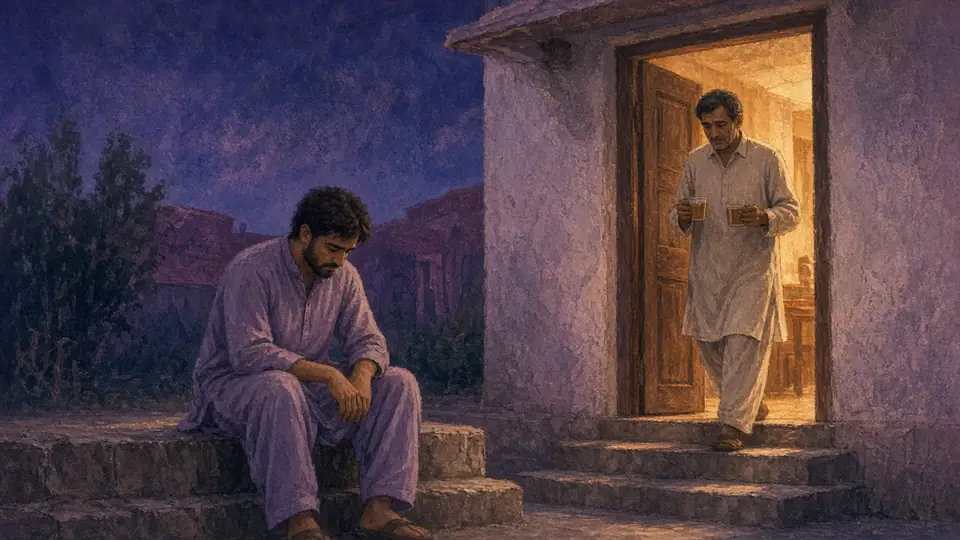
- Notice and ask. "Aap kuch dinon se pareshan lag rahe hain. Sab theek hai?" Ask gently, in private.
- Listen without judging or rushing to advice. Don't say "shukar karo" or "himmat karo". Listening is the help.
- Encourage a doctor's visit, and offer to go with him.
- Help with practical things, such as booking an appointment or sharing responsibilities.
- Stay connected, even if he pulls away.
- Look after yourself too. Supporting someone with depression is tiring.
Suicide: take it seriously
Men are more likely than women to die by suicide in many countries. Warning signs include:
- Talking about wanting to die, being a burden or having no reason to live
- Giving away belongings or saying goodbye
- Searching for ways to harm themselves
- Sudden calm after a period of deep depression
- Increased use of alcohol or drugs
Asking directly about suicide does not put the idea in someone's head. It can be a relief to be asked. If someone is at risk:
- Don't leave them alone.
- Remove access to means of harm, such as medicines, pesticides and weapons.
- Call 1122 or go to the nearest hospital emergency department.
See a doctor promptly if
- Low mood, loss of interest or irritability has lasted more than 2 weeks and is affecting daily life.
- He has stopped eating or sleeping properly, or is using alcohol or drugs to cope.
- He talks about suicide, death or being a burden, or has a plan. Don't leave him alone; call 1122 or go to the nearest hospital emergency department.
Frequently asked questions
What are the signs of depression in men?
Besides low mood, men often show irritability, anger, withdrawal, exhaustion, body aches, overworking, risky behaviour, sleep problems, loss of interest in sex and increased use of alcohol or other substances.
Is depression a sign of weak faith?
No. Depression is a health condition, influenced by biology, life stress and circumstances. Many deeply religious people experience it. Faith and treatment can go together.
Can depression go away on its own?
Mild depression sometimes improves with time and support, but depression often lasts longer and comes back without treatment. Getting help early leads to better outcomes.
Are antidepressants addictive?
No. Antidepressants don't cause addiction, though stopping suddenly can cause unpleasant discontinuation symptoms. A doctor will help you reduce gradually.
How can I help my husband or brother who is depressed?
Ask gently, listen without judging, encourage him to see a doctor, offer to go with him, and stay connected. If he talks about suicide, get help immediately.
Sources
- World Health Organization. Depressive disorder (depression) fact sheet.
- National Institute of Mental Health (NIH). Depression.
- NHS. Depression in adults.
- World Health Organization. Suicide fact sheet.
- Rahman A, et al. Effect of a multicomponent behavioural intervention in adults impaired by psychological distress in a conflict-affected area of Pakistan. JAMA, 2016.
Sources were checked on 26 November 2026. Found an error? Tell us and we will correct it.
Medical disclaimer: This article is general information, not a diagnosis or treatment plan. Please talk to a qualified doctor about your own situation. Read our full disclaimer.
Thora sukoon, har hafte
One calm email a week with simple tips for better neend and less stress. Free, no spam.
We only use your email to send this newsletter and never share it. Unsubscribe anytime, every email has a one-click link. Privacy policy
Shukriya! You're on the list. Apna khayal rakhiye.
Something went wrong. Please check your email address and try again.