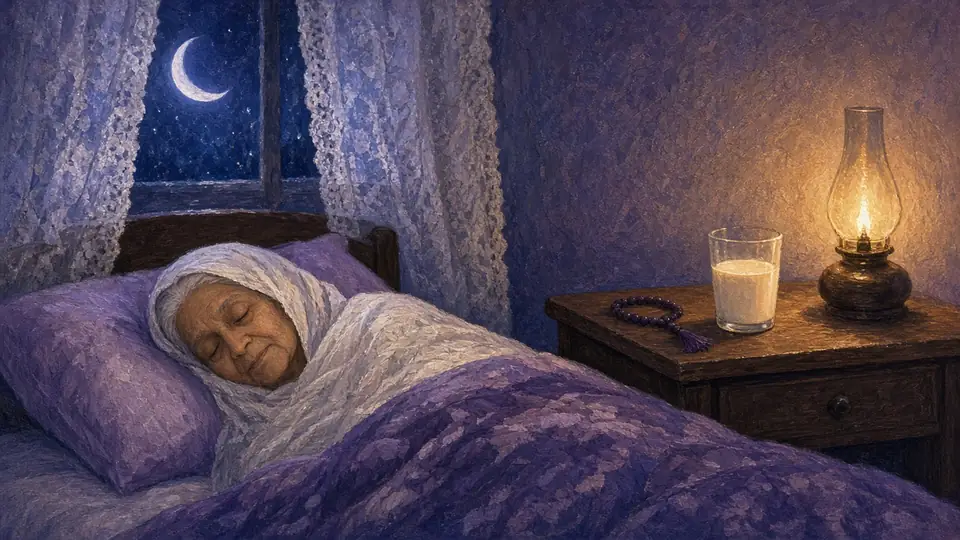
Neend ki goliyan: risks of sleeping pills and how to use them safely
Are sleeping pills safe? What neend ki goliyan do, the risks of dependence, falls and memory problems, why you shouldn't stop them suddenly, and safer ways to treat insomnia.

Key points
- Sleeping pills can help for a short time in specific situations, but they don't treat the cause of insomnia.
- Many common sleeping pills, especially benzodiazepines, can cause dependence, tolerance, next-day drowsiness, memory problems and falls.
- Never take sleeping pills with alcohol, opioid painkillers or other sedatives, and never share them.
- If you've been taking them regularly, don't stop suddenly. Ask a doctor to help you reduce the dose slowly.
In many parts of Pakistan, sleeping pills are surprisingly easy to get. A neighbour shares a few tablets, a relative recommends "half a goli", or a pharmacy hands them over without asking questions. Because they're so common, many people assume they're harmless.
They aren't. This guide explains what sleeping pills do, their real risks, who should be especially careful, and safer ways to deal with sleeplessness. It's for information only: decisions about any medicine should be made with a doctor.
What are "neend ki goliyan"?
The term covers several different types of medicine:
- Benzodiazepines. These are the most common in Pakistan, and include medicines such as alprazolam, bromazepam, lorazepam, diazepam and clonazepam. They're used for anxiety, insomnia and some other conditions. They're effective in the short term but carry a well-known risk of dependence.
- "Z-drugs", such as zolpidem and zopiclone, which work in a similar way to benzodiazepines and have similar risks.
- Sedating antihistamines, found in some allergy and cold medicines. They cause drowsiness but can leave you groggy the next day, and they're not recommended for older adults.
- Other prescription medicines that cause drowsiness, such as some antidepressants, which a doctor may prescribe in particular situations.
- Melatonin, a hormone sometimes used for jet lag, shift work or older adults' sleep problems. Its availability and regulation vary by country.
In Pakistan, benzodiazepines and Z-drugs are prescription-only medicines. Selling them without a prescription is not allowed, even though it does happen.
What sleeping pills can and can't do
Sleeping pills can make you fall asleep faster and wake less for a few nights. That can be helpful during a short crisis, such as after a bereavement.
What they can't do:
- Fix the cause of insomnia, such as stress, anxiety, depression, pain, irregular routines or caffeine
- Keep working the same way over time, because tolerance develops
- Give you completely natural sleep; some types change the structure of sleep
That's why major guidelines recommend cognitive behavioural therapy for insomnia (CBT-I) as the first treatment for chronic insomnia, and pills only for short-term use when needed. See our 2-week sleep reset plan.
The main risks
1. Dependence and withdrawal
With regular use, often within a few weeks, your brain gets used to benzodiazepines and Z-drugs. You may find you can't sleep without them, or that stopping causes rebound insomnia, anxiety, irritability, sweating and shaking. Stopping high doses suddenly after long-term use can cause serious withdrawal symptoms, including seizures. This is why these medicines are usually prescribed for no more than 2–4 weeks.
2. Tolerance
Over time, the same dose works less well, and people are tempted to take more.
3. Next-day drowsiness and accidents
The effects can last into the next day, slowing your reactions. This raises the risk of road accidents, work injuries and mistakes. Don't drive if you feel drowsy.
4. Falls and fractures in older people
In older adults, sleeping pills increase the risk of confusion, unsteadiness, falls and hip fractures. International guidance (such as the American Geriatrics Society Beers Criteria) advises avoiding benzodiazepines and Z-drugs in older adults where possible.
5. Memory and thinking
These medicines can affect memory and concentration. Some people carry out activities while not fully awake, such as walking or eating, and don't remember them later, which has been reported with Z-drugs in particular and led the US FDA to add its strongest (boxed) warning to them in 2019.
6. Dangerous combinations
Combining sleeping pills with alcohol, opioid painkillers (such as tramadol or codeine), other sedatives or some cough syrups can slow breathing dangerously and can be fatal.
7. Breathing problems
People with sleep apnoea, severe lung disease or very heavy snoring may have their breathing at night made worse by sedatives.
8. Pregnancy and breastfeeding
Many sleeping medicines aren't recommended in pregnancy or while breastfeeding. Always ask a doctor.
Using sleeping pills more safely
If a doctor prescribes a sleeping pill:
- Take exactly the dose prescribed, for the shortest time possible.
- Ask how long you should take it for, and what the plan is for stopping.
- Take it only when you can get a full night's sleep.
- Never combine it with alcohol or other sedatives.
- Don't drive or operate machinery if you feel drowsy the next day.
- Don't share pills with anyone, or take someone else's.
- Keep them locked away from children and anyone who may be at risk of overdose.
- Tell your doctor about all other medicines, herbal products and supplements you use.
How to stop sleeping pills if you've been taking them for a while
If you've taken benzodiazepines or Z-drugs regularly for more than a few weeks:
- Don't stop suddenly. Talk to a doctor first.
- A doctor will usually suggest a gradual taper, reducing the dose slowly over weeks or months.
- Combining the taper with CBT-I makes it easier and improves long-term sleep.
- Expect some temporary sleep disruption. It usually settles.
Stopping is very achievable, and many people sleep better in the long run once they're off them.
Herbal and "natural" sleep remedies
Products such as chamomile tea and valerian are widely used. Evidence for most herbal sleep remedies is weak or mixed. They're generally milder, but "natural" doesn't mean risk-free: some herbal products interact with medicines, and some products sold online contain undeclared drugs. Tell your doctor what you take.
When poor sleep is really something else
Sometimes sleeplessness is a symptom of another problem that needs its own treatment:
- Anxiety or depression. See our guides to anxiety ka ilaj and depression in men.
- Sleep apnoea, which causes loud snoring, gasping and daytime sleepiness
- Pain, reflux, thyroid problems or frequent urination at night
- Caffeine, nicotine or alcohol
Treating the underlying cause often fixes the sleep. See neend na ana: 12 causes.
See a doctor promptly if
- You've been taking sleeping pills for more than a few weeks, or need more to get the same effect.
- You feel drowsy, confused or unsteady during the day, or have had a fall.
- You're taking more than prescribed, or using them to cope with distress. Talk to a doctor soon. In an emergency, call 1122.
- Someone has taken too many pills, or pills with alcohol, and is very drowsy or breathing slowly. Call 1122 immediately.
Frequently asked questions
Is it safe to take a sleeping pill every night?
Most sleeping pills, especially benzodiazepines and Z-drugs, aren't recommended every night for long periods because of the risks of dependence, tolerance, falls and memory problems. Talk to a doctor about safer long-term options such as CBT-I.
Can I buy sleeping pills without a prescription in Pakistan?
Benzodiazepines and Z-drugs are prescription-only medicines in Pakistan. Even if a pharmacy sells them without one, taking them without medical advice is risky.
What happens if I stop my sleeping pills suddenly?
If you've used them regularly, stopping suddenly can cause rebound insomnia, anxiety and other withdrawal symptoms, and after long-term high-dose use it can be dangerous. A doctor can help you reduce slowly.
Are sleeping pills addictive?
Benzodiazepines and Z-drugs can cause physical dependence, sometimes within a few weeks of regular use. That's why they're meant for short-term use.
What is the safest way to treat insomnia?
For chronic insomnia, CBT for insomnia is the recommended first treatment. It's safe, effective and its benefits last.
Sources
- NHS. Insomnia: treatment.
- US Food and Drug Administration. FDA requires Boxed Warning updated to improve safe use of benzodiazepine drug class, 2020.
- US Food and Drug Administration. Taking Z-drugs for insomnia? Know the risks.
- Qaseem A, et al. Management of chronic insomnia disorder in adults: ACP guideline. Annals of Internal Medicine, 2016.
- NHS. Diazepam: side effects, dependence and coming off it.
Sources were checked on 26 November 2026. Found an error? Tell us and we will correct it.
Medical disclaimer: This article is general information, not a diagnosis or treatment plan. Please talk to a qualified doctor about your own situation. Read our full disclaimer.
Thora sukoon, har hafte
One calm email a week with simple tips for better neend and less stress. Free, no spam.
We only use your email to send this newsletter and never share it. Unsubscribe anytime, every email has a one-click link. Privacy policy
Shukriya! You're on the list. Apna khayal rakhiye.
Something went wrong. Please check your email address and try again.