Anxiety ka ilaj: treatment with and without medicine
How anxiety is treated: self-help that works, CBT and talking therapy, when medicine helps, what to expect, and how to find help in Pakistan. Clear, practical and judgement-free.
Key points
- Anxiety is very common and very treatable. It's a health condition, not weakness or lack of faith.
- Self-help (exercise, breathing, reducing caffeine, structured worry time) helps mild anxiety and supports every other treatment.
- CBT (cognitive behavioural therapy) is the best-studied talking therapy for anxiety disorders.
- Medicine, usually an SSRI-type antidepressant prescribed by a doctor, helps many people with moderate to severe anxiety. Benzodiazepine "nerve tablets" are for short-term use only.
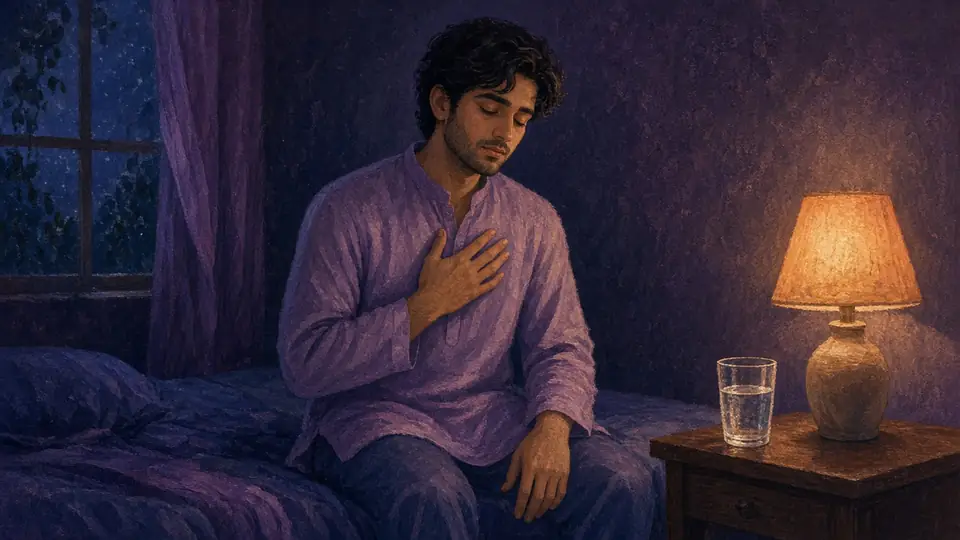
"Dil ghabrata hai, har waqt fikar rehti hai, kuch acha nahi lagta." Anxiety shows up in many ways: constant worrying, a racing heart, tight chest, restlessness, trouble sleeping, an upset stomach, or simply feeling on edge all the time.
According to the WHO, anxiety disorders are among the most common mental health conditions in the world. In Pakistan, they often go untreated because of stigma, cost, or the belief that "yeh sab dimagh ka waham hai". But anxiety is real, it's common, and it responds well to treatment.
This guide explains the options, from self-help to therapy to medicine.
Normal worry vs an anxiety disorder
Everyone feels anxious sometimes: before an exam, a job interview, or when a family member is ill. That's normal and even helpful.
Anxiety becomes a problem when it:
- Is out of proportion to the situation
- Lasts most days for weeks or months
- Is hard to control
- Interferes with work, study, relationships or sleep
Common types include:
- Generalised anxiety disorder (GAD): constant, hard-to-control worry about many things
- Panic disorder: repeated, sudden panic attacks. See panic attack: what to do.
- Social anxiety: intense fear of being judged or embarrassed
- Phobias: intense fear of specific things or situations
- Health anxiety: constant worry about having a serious illness
Step 1: rule out physical causes
Some physical conditions cause symptoms that feel like anxiety: an overactive thyroid, heart rhythm problems, anaemia, low blood sugar, side effects of medicines, too much caffeine, and withdrawal from alcohol or sleeping pills.
If your symptoms are new, a doctor may check your pulse and blood pressure and suggest simple blood tests or an ECG. See ghabrahat aur dil ghabrana: kab fikar karen for warning signs that need urgent care.
Step 2: self-help that works
For mild anxiety, these steps alone may be enough. For moderate or severe anxiety, they support other treatment.
Move your body
Regular physical activity, such as a brisk 30-minute walk on most days, reduces anxiety symptoms. It burns off stress hormones and improves sleep.
Slow your breathing
When anxious, we breathe fast and shallow, which makes symptoms worse. Try this: breathe in gently through your nose for 4 seconds, and breathe out slowly through your mouth for 6 seconds. Repeat for 5 minutes. A longer out-breath activates the body's calming system.
Cut down caffeine and nicotine
Strong chai, coffee, cold drinks and energy drinks can trigger or worsen anxiety. Try reducing gradually. Nicotine can feel calming in the moment, but smokers tend to experience more anxiety overall.
Set a "worry time"
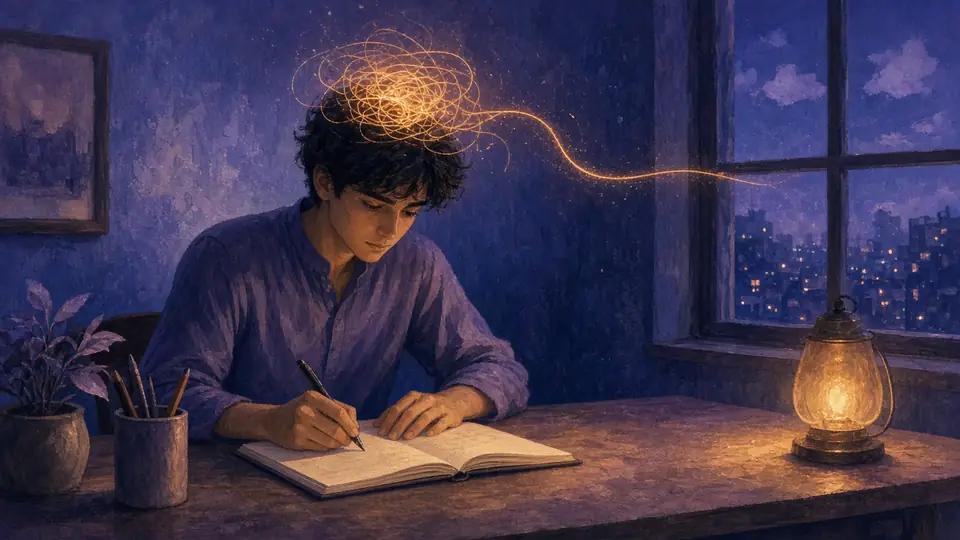
Instead of worrying all day, give yourself 15–20 minutes each evening to write down your worries. When a worry pops up at another time, note it and postpone it. Many people find their worries feel smaller when written down. See overthinking kaise khatam karen.
Face, don't avoid
Avoiding feared situations brings short-term relief but keeps anxiety going. Gradually facing them, in small steps, is one of the most powerful ways to reduce fear.
Protect your sleep
Poor sleep and anxiety feed each other. See neend na ana: 12 causes and fixes.
Talk to someone
Sharing your worries with a trusted friend, family member or religious scholar can help. Many people also find comfort and calm in prayer, dhikr and Quran recitation. Faith and professional treatment work well together; one doesn't replace the other.
Limit alcohol and avoid drugs
They may seem to help in the moment, but they worsen anxiety over time.
Step 3: talking therapy (CBT)
Cognitive behavioural therapy (CBT) is the best-studied psychological treatment for anxiety disorders. It helps you:
- Notice anxious thoughts ("Something terrible will happen")
- Test whether they're realistic
- Gradually face situations you avoid
- Learn practical skills to manage symptoms
CBT usually involves weekly sessions over around 8–20 weeks, with practice between sessions. It can be done in person, by video, or through guided self-help programmes. Its benefits often last after treatment ends.
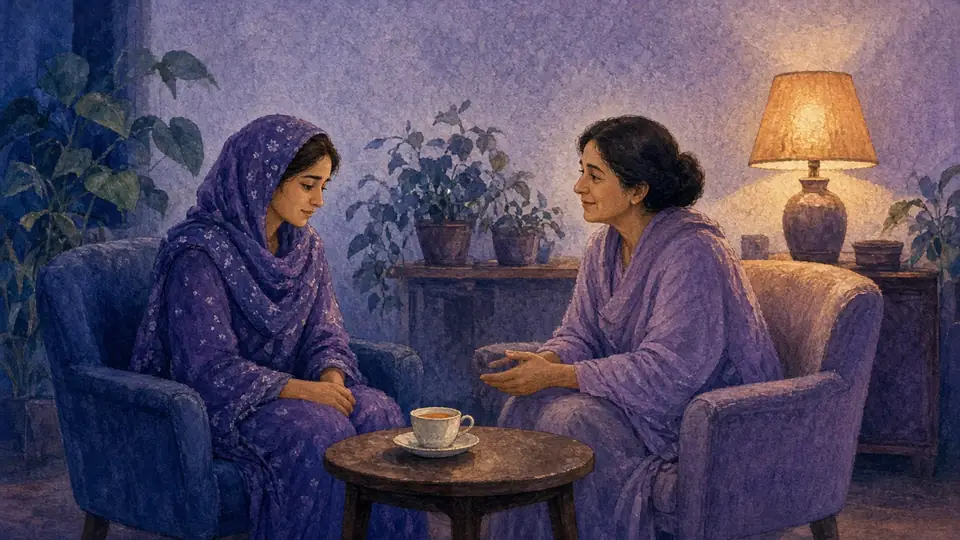
In Pakistan, CBT is offered by clinical psychologists in hospitals, private clinics and online. When choosing a therapist, ask about their qualifications and whether they use CBT for anxiety.
Other therapies that can help include applied relaxation, mindfulness-based approaches and problem-solving therapy.
Step 4: medicine (when needed)
Medicine can be very helpful for moderate to severe anxiety, or when therapy isn't available or hasn't been enough. A doctor, ideally a psychiatrist or experienced GP, will decide what's suitable.
SSRIs and similar antidepressants
For long-term anxiety disorders, guidelines usually recommend SSRIs (selective serotonin reuptake inhibitors) or related medicines first. Despite the name "antidepressant", they're effective for anxiety too.
What to know:
- They usually take 2–6 weeks to start working.
- Some people feel slightly more anxious, or have stomach upset, in the first week or two. This usually settles.
- They're not addictive, but they shouldn't be stopped suddenly. A doctor will help you reduce gradually when the time comes.
- Treatment usually continues for several months after you feel better, to prevent relapse.
Benzodiazepines ("nerve tablets")
Medicines such as alprazolam, bromazepam, lorazepam and diazepam work quickly, which is why they're widely used in Pakistan. But they can cause dependence within weeks, and guidelines recommend them only for short-term use in a crisis. Don't take them with alcohol or other sedatives. See neend ki goliyan: khatray for more.
Other medicines
Doctors sometimes use other medicines, such as certain beta blockers for physical symptoms in specific situations. These must be prescribed individually.
Never start, stop or change anxiety medicine without a doctor's advice.
How long does treatment take?
Most people notice improvement within a few weeks to a few months. Recovery isn't always a straight line, and good days and bad days are normal. The earlier anxiety is treated, the easier it usually is to treat.
Finding help in Pakistan
- Your GP or family doctor: a good first step, and they can refer you.
- Psychiatry departments at government teaching hospitals often provide low-cost care.
- Clinical psychologists in private practice and online.
- Our list of psychiatrists and psychologists in Lahore and Karachi shows published fees, clinics and online consult options.
See a doctor promptly if
- Anxiety is stopping you from working, studying, going out or sleeping, or has lasted more than a few weeks.
- You're having panic attacks, or using alcohol, pills or other substances to cope.
- You have chest pain, breathlessness or a racing heart for the first time. Get checked to rule out physical causes.
- You have thoughts of harming yourself. Call 1122 or go to the nearest hospital emergency department.
Frequently asked questions
Can anxiety be cured completely?
Many people recover fully, and many others learn to manage anxiety so it no longer controls their life. CBT and medicine both have good success rates.
Is anxiety a sign of weak iman?
No. Anxiety is a health condition involving the brain and body, just like diabetes involves the pancreas. Seeking treatment is fully compatible with faith.
What is the fastest way to stop anxiety?
In the moment, slow breathing (in for 4 seconds, out for 6) and grounding techniques help. For lasting relief, CBT and, when needed, medicine work best.
Are anxiety medicines addictive?
SSRIs, the usual first-choice medicines, aren't addictive, though they should be stopped gradually. Benzodiazepines can cause dependence and are meant only for short-term use.
Can I treat anxiety without medicine?
Yes, many people do, using CBT and self-help, especially for mild to moderate anxiety. A doctor can help you decide what suits you.
Sources
- World Health Organization. Anxiety disorders fact sheet.
- NICE. Generalised anxiety disorder and panic disorder in adults: management (CG113).
- NHS. Generalised anxiety disorder in adults.
- National Institute of Mental Health (NIH). Anxiety disorders.
- NHS. Breathing exercises for stress.
- Rozan. Rozan Counseling Helpline.
Sources were checked on 26 November 2026. Found an error? Tell us and we will correct it.
Medical disclaimer: This article is general information, not a diagnosis or treatment plan. Please talk to a qualified doctor about your own situation. Read our full disclaimer.
Thora sukoon, har hafte
One calm email a week with simple tips for better neend and less stress. Free, no spam.
We only use your email to send this newsletter and never share it. Unsubscribe anytime, every email has a one-click link. Privacy policy
Shukriya! You're on the list. Apna khayal rakhiye.
Something went wrong. Please check your email address and try again.